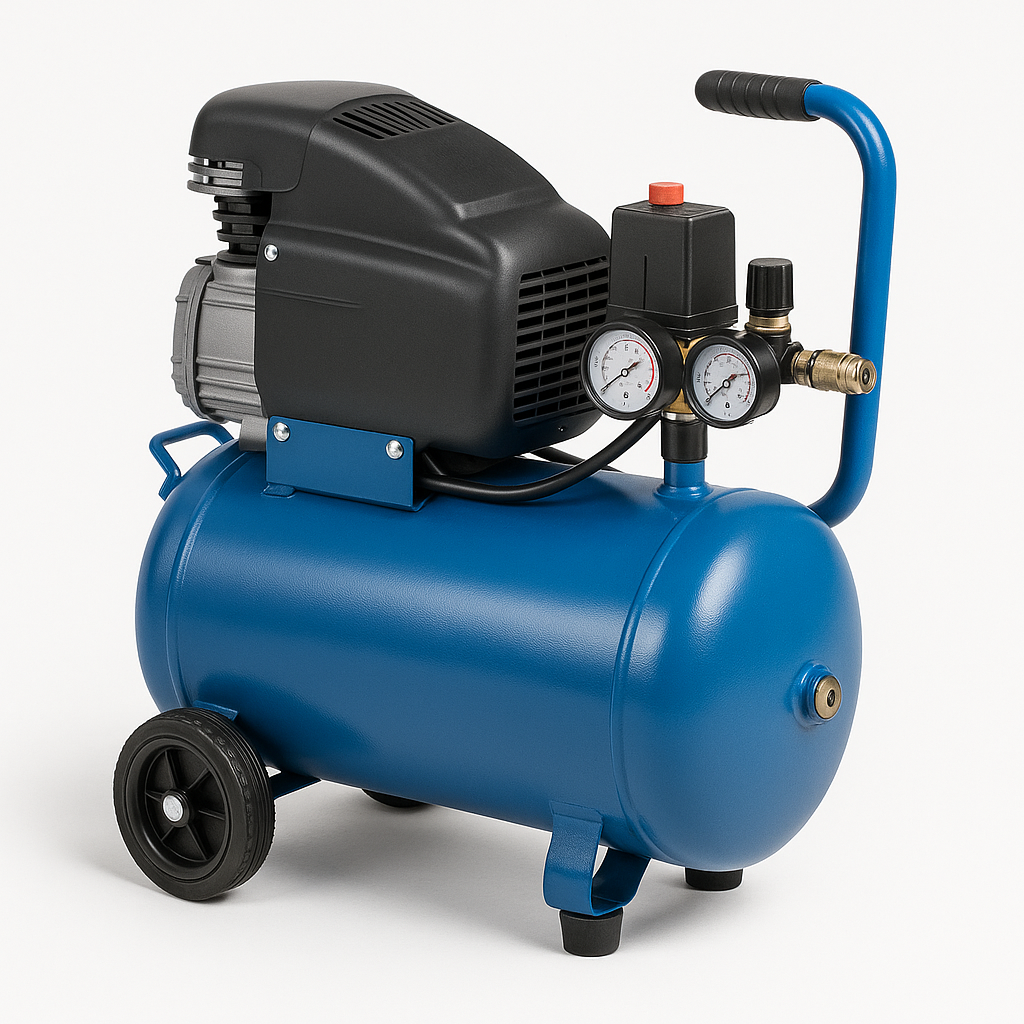
7 Tricks To Help Make The Most Of Your Buy A Portable Compressor
The Ultimate Guide to Buying a Portable Compressor
In today's fast-paced world, benefit is crucial. Whether you're a passionate DIY enthusiast, a professional contractor, or merely somebody who takes pleasure in preserving their vehicle, having a portable air compressor can be a game changer. This convenient tool can inflate tires, power air tools, and perform a range of tasks. However, with numerous options readily available, picking the best portable compressor to satisfy specific requirements can feel overwhelming. This guide will cover everything you need to understand about purchasing a portable compressor, consisting of vital functions, types, a comparison table, and often asked concerns.
Why Invest in a Portable Compressor?
A portable air compressor offers a number of benefits:
- Convenience: Easy to transfer and store, ideal for both home and on-the-go jobs.
- Adaptability: Can be utilized for various applications consisting of pumping up tires, powering pneumatic tools, and more.
- Cost-efficient: Saves cash in the long run by making it possible for DIY repair work and projects.
- Compact Design: Many designs are developed to suit small areas, making them perfect for limited storage.
Types of Portable Compressors
When looking into portable air compressors, it's vital to understand the different types offered:
Type
Description
Perfect Use
Pros
Cons
Pancake
Functions a round tank and is lightweight
Little tasks, inflation jobs
Compact, simple to store
Limited air capability
Hotdog
Long and narrow tank, providing more air storage
General home use, running little air tools
More air capacity
Bulkier than pancake design
Twin Stack
Has 2 stacked tanks for increased air delivery
Moderate to sturdy jobs
Increased pressure output
Much heavier and less portable
Oil-Free
Requires no oil for operation
Low-maintenance tasks, indoor usage
Easy to preserve
May have shorter life expectancy
Cordless
Works on batteries, supplying maximum mobility
Remote areas, emergency situation use
Ultimate convenience
Minimal run time
Key Features to Consider
When purchasing a portable compressor, consider the following functions:
- PSI Rating: Pounds per square inch (PSI) indicates the optimal pressure the compressor can produce. Higher PSI is needed for more demanding applications.
- CFM Rating: Cubic feet per minute (CFM) determines the airflow or volume of air out of the compressor. Greater CFM means faster inflation or operation of air tools.
- Tank Size: The size of the air tank affects the length of time you can work before the compressor needs to fill up. Smaller tanks are more portable however require more regular refilling.
- Weight: Consider how easy it will be to transportation. Heavier designs can be challenging to move, while lighter choices enhance mobility.
- Noise Level: Some compressors tend to be noisier than others. If using inside or in noise-sensitive locations, select quieter models.
- Portability Features: Look for manages, wheels, and weight circulation— features that make transferring the compressor simpler.
Portable Compressor Comparison Table
To simplify the decision-making process, here's a comparison table of popular portable compressor models:
Model
Type
PSI
CFM
Tank Size
Weight
Price
BOSTITCH BTFP02012
Pancake
150
2.6
6 Gal
29 pounds
₤ 129.00
ARTISAN CMEC6150K
Hot Dog
150
2.6
6 Gal
30 pounds
₤ 149.00
DEWALT D55140
Twin Stack
135
2.8
4.5 Gal
38 lbs
₤ 249.00
PORTER-CABLE PCE6000
Oil-Free
150
2.6
6 Gal
35 pounds
₤ 139.00
WEN 2202
Cordless
120
NA
NA
25 lbs
₤ 189.00
Costs are indicative and might vary based on sellers. Inspect for offers and promotions.
Tips for Maintaining Your Portable Compressor
After acquiring your portable compressor, it's vital to look after it. Here are a couple of upkeep pointers:
- Check Oil Levels: For oil-lubricated compressors, guarantee the oil level suffices.
- Drain pipes the Tank: Regularly drain moisture from the tank to prevent rust and corrosion.
- Clean Air Filters: Keep air filters tidy for optimal efficiency.
- Inspect Hoses and Connections: Regularly examine for leakages that may reduce efficiency.
- Shop Properly: Keep the compressor in a dry, clean area to avoid damage.
Frequently Asked Questions
1. How do I understand what PSI ranking I require?
For basic household tasks like inflating tires, a PSI ranking of 90-120 is adequate. Nevertheless, tasks needing air tools usually need a minimum of 90 PSI.
2. Can I use a portable compressor for professional work?
Yes, lots of portable compressors are created for professional usage. Ensure you select a model with a high PSI and adequate CFM for the tools you mean to utilize.
3. How typically should I drain my air compressor?
Drain pipes the tank after each use or at least as soon as a week to prevent moisture accumulation.
4. What is the distinction between CFM and PSI?
PSI measures the pressure of the air, while CFM shows the volume of air the compressor can provide. Depending on Myntek , both values are crucial.
5. Are cordless compressors worth it?
Cordless compressors are extremely hassle-free, particularly for on-the-go jobs where power outlets aren't readily available. However, they may have restricted run times due to battery life.
Purchasing a portable compressor can exceptionally enhance your performance, whether you're tackling vehicle jobs, home repair work, or outdoor jobs. Comprehending the various types, features to search for, and regular upkeep will ensure you make a wise investment that lasts. With the ideal portable compressor in hand, you'll be geared up for a wide variety of tasks, making your undertakings much easier and more effective.